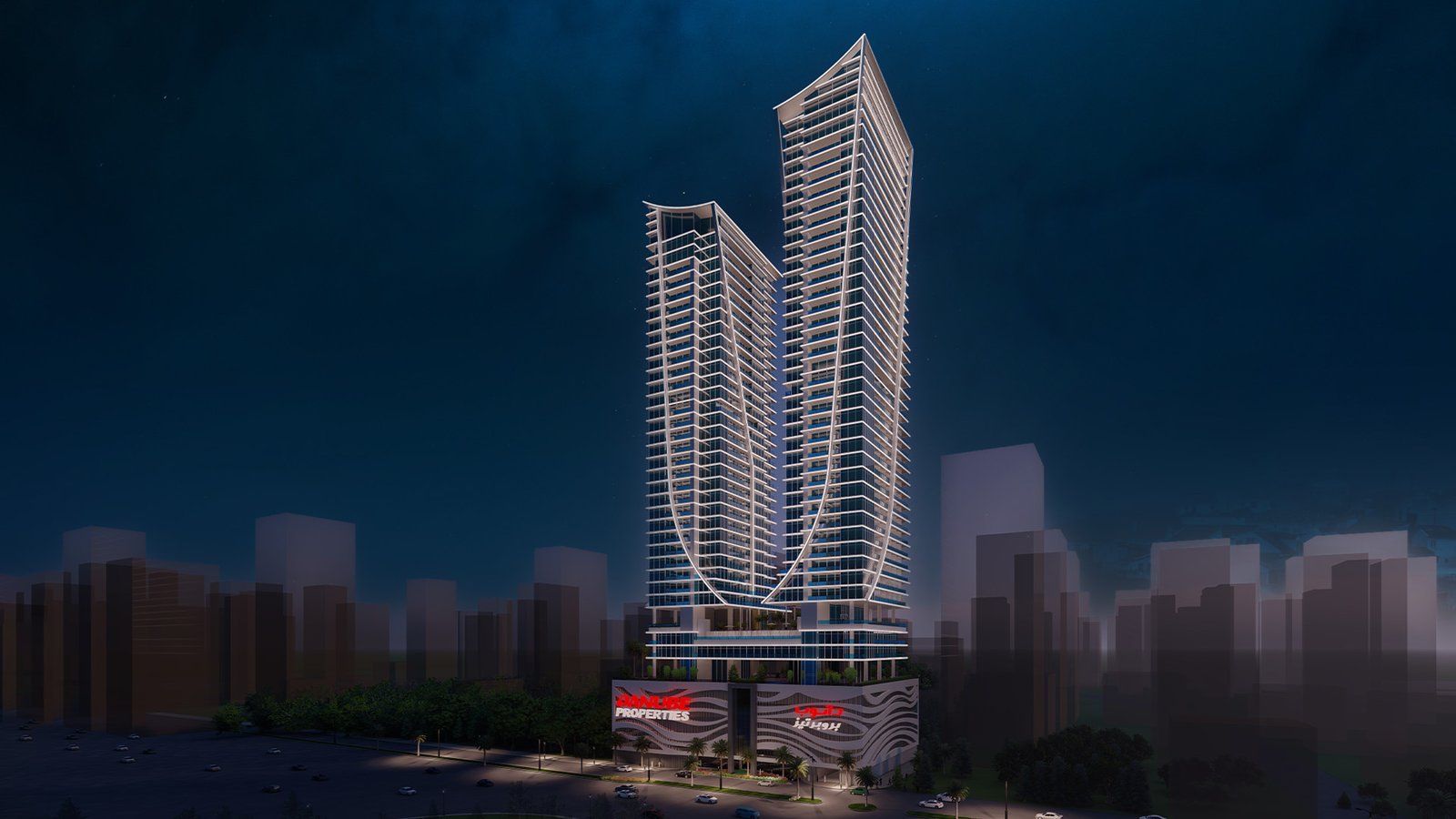
Height in a low-rise district
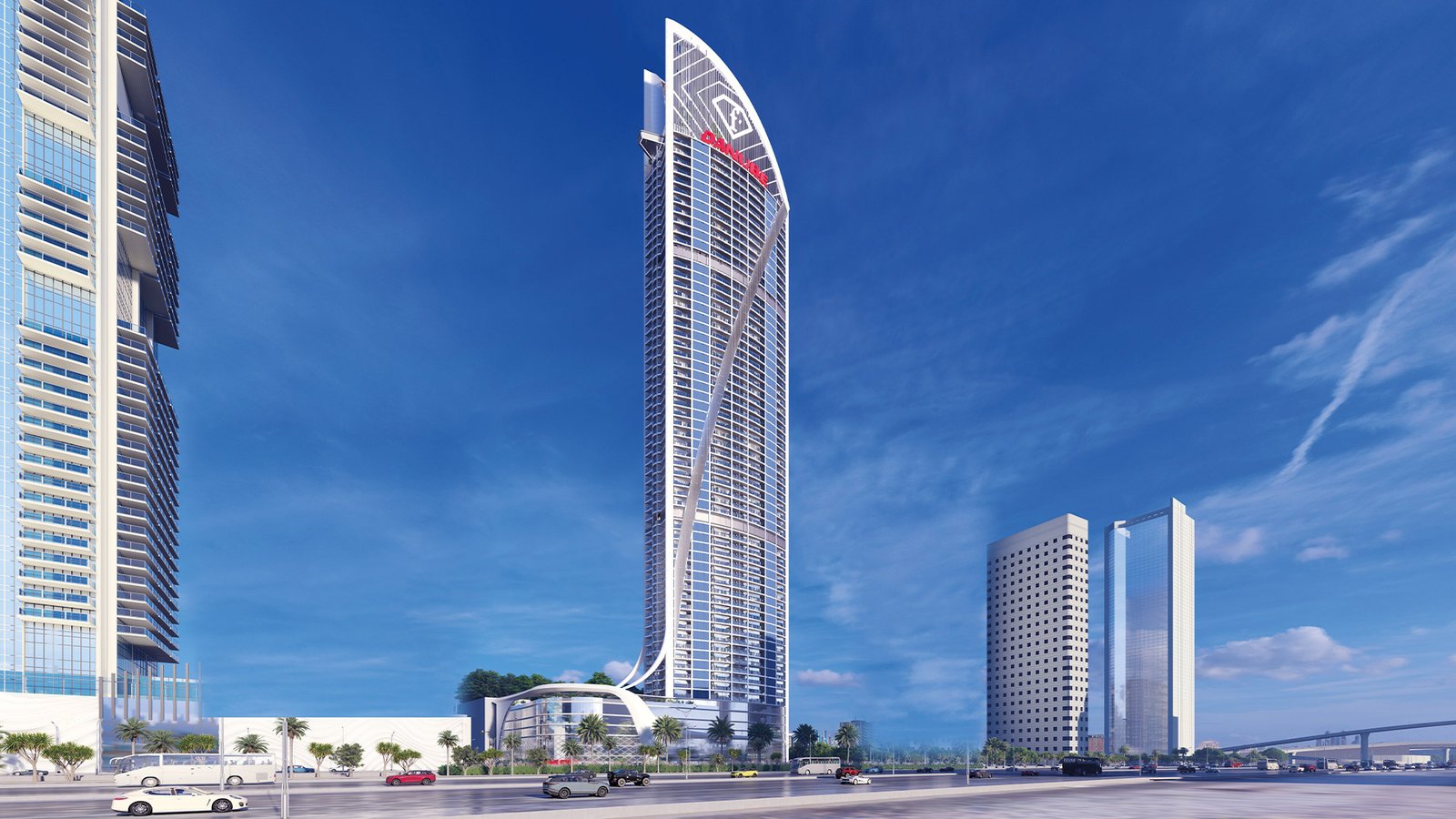
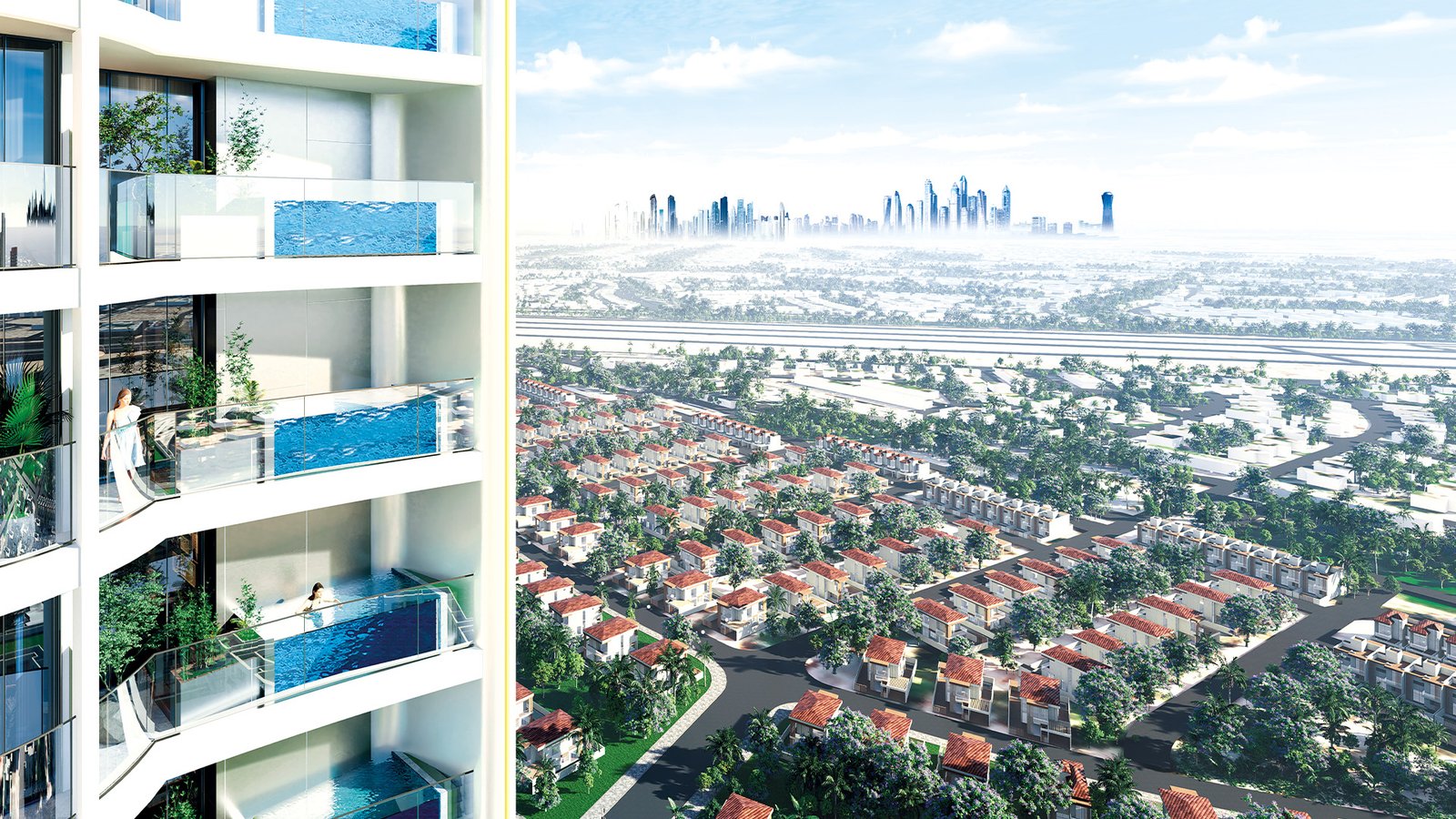
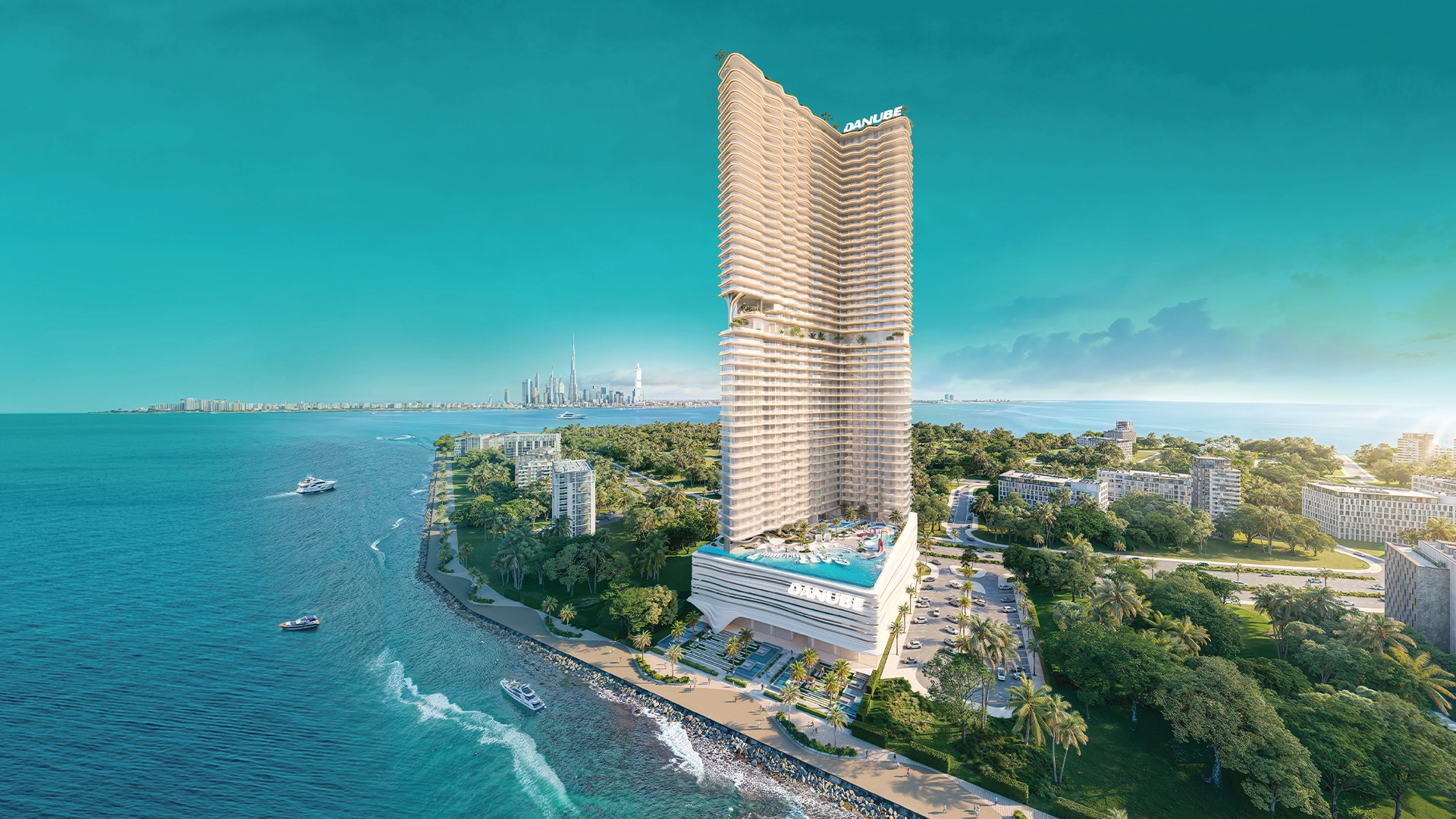
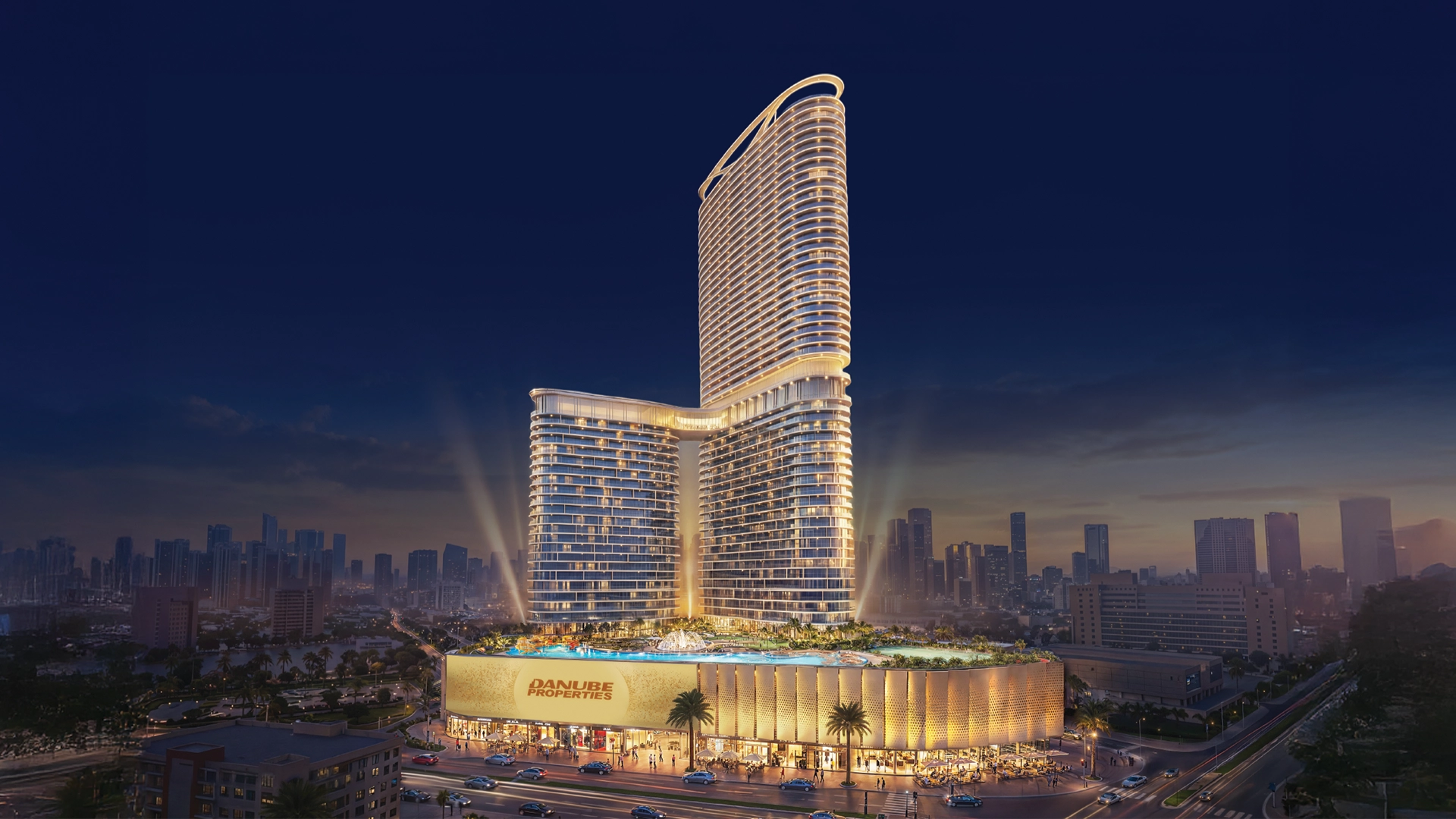
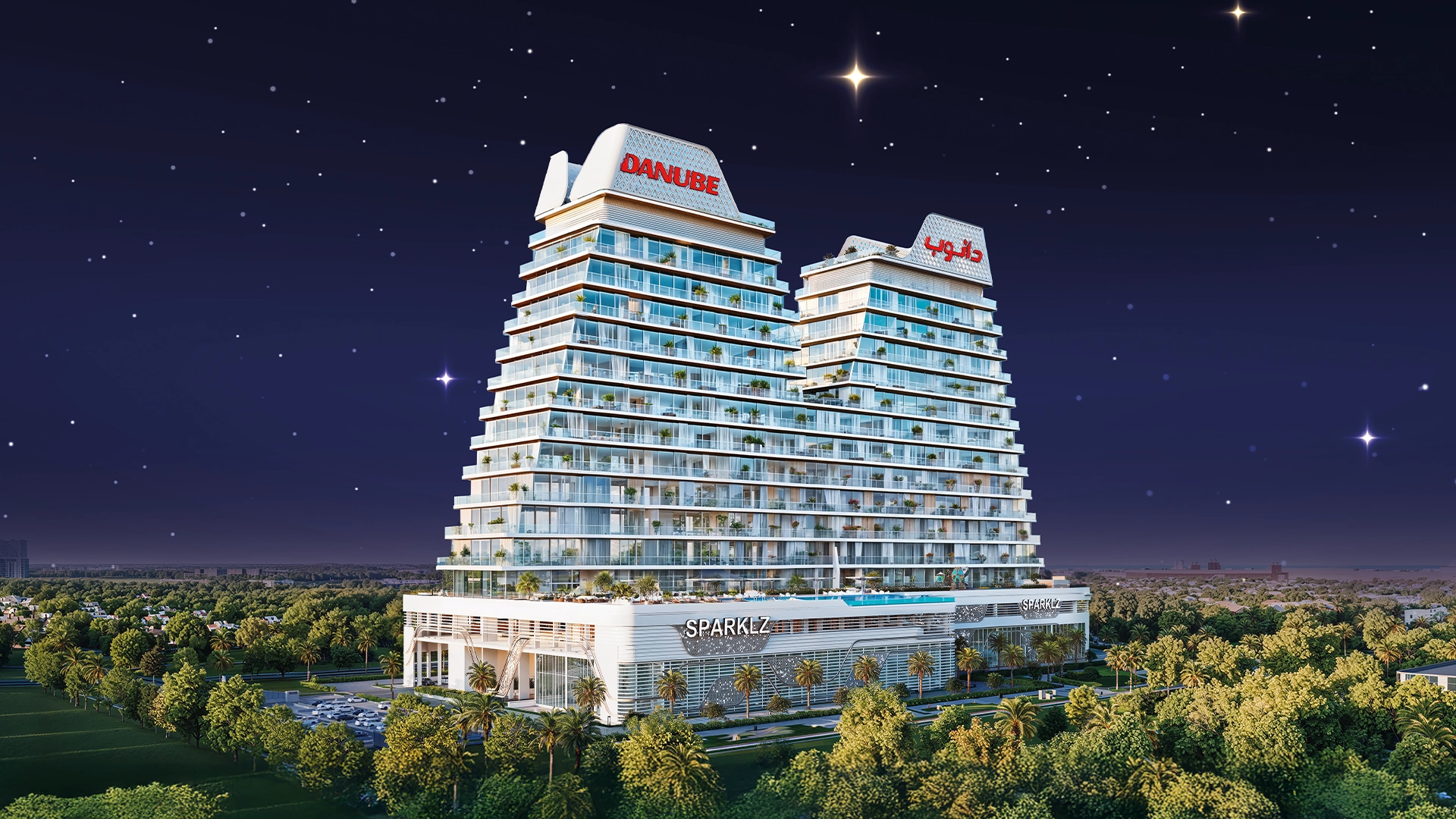
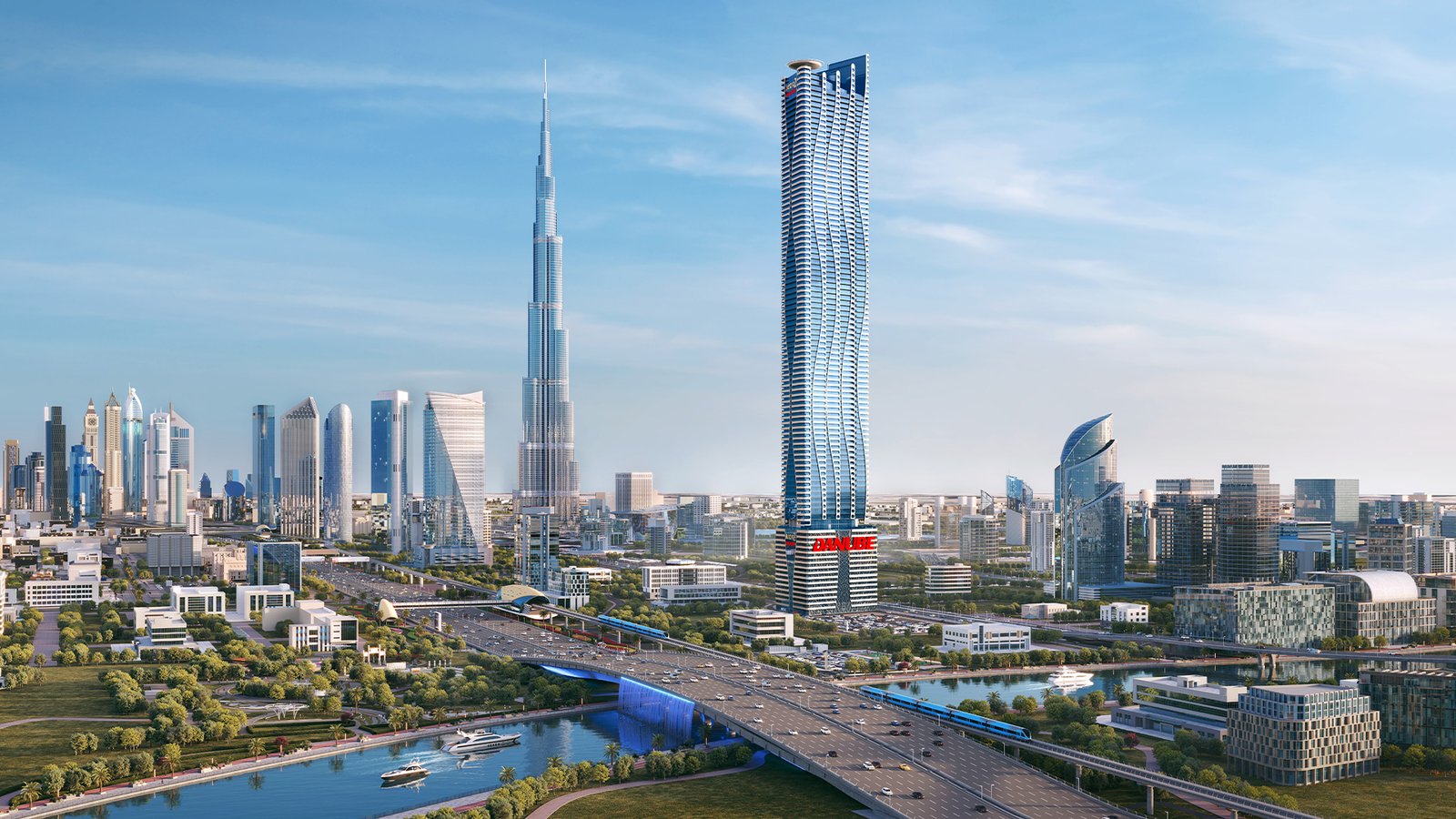
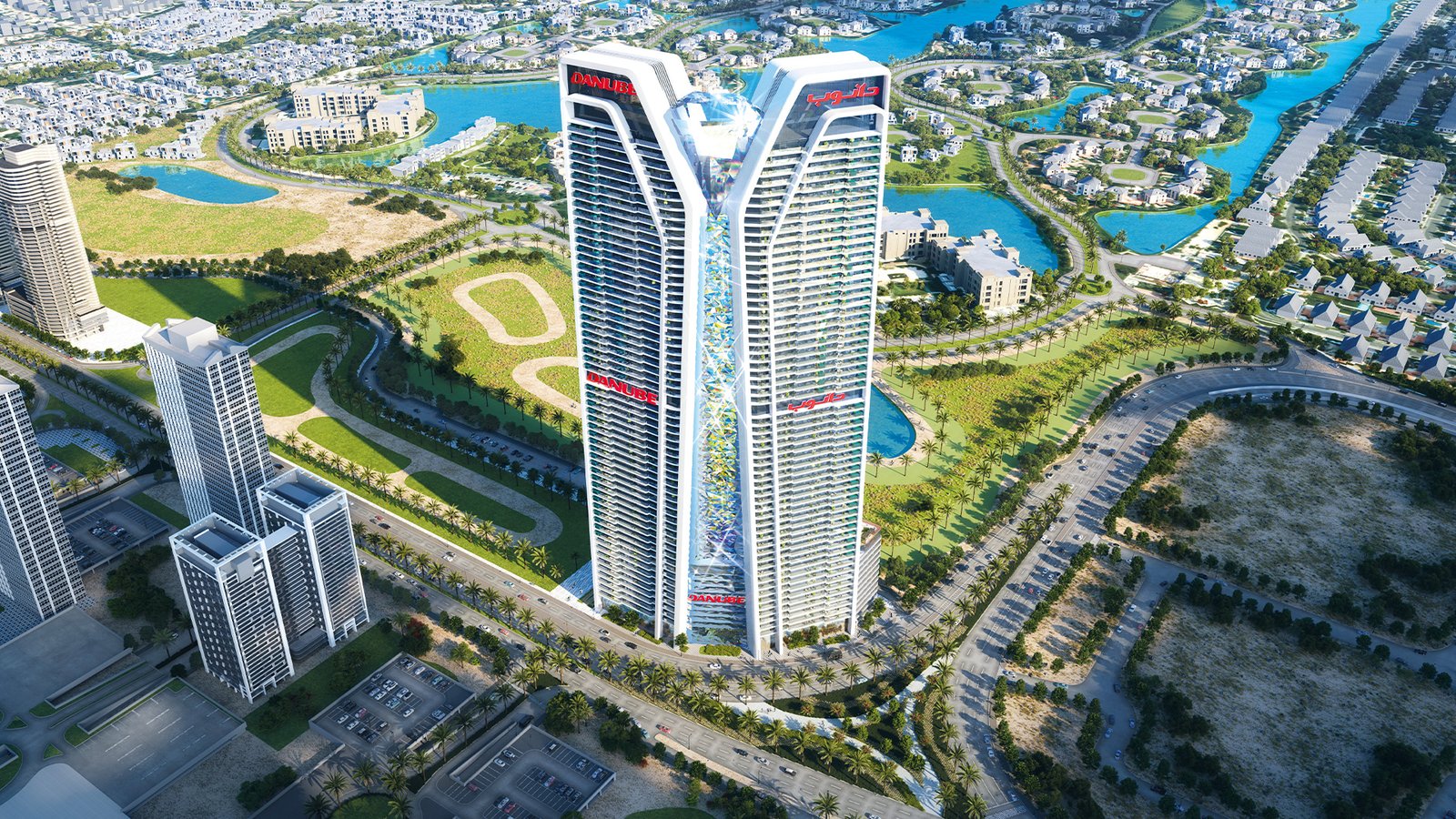
Fashionz is unusual for where it stands rather than for what it is. At 56 storeys it is a genuinely tall building in Jumeirah Village Triangle, a district characterised by villas, townhouses and low-rise apartment blocks. That contrast is the main thing to understand before buying. A tall tower in a low-rise area delivers views that will not be built out easily, which is a real and durable advantage. It also means the building sits apart from its surroundings in a way that some buyers like and others find incongruous. Go and look at it in context before deciding which camp you are in.
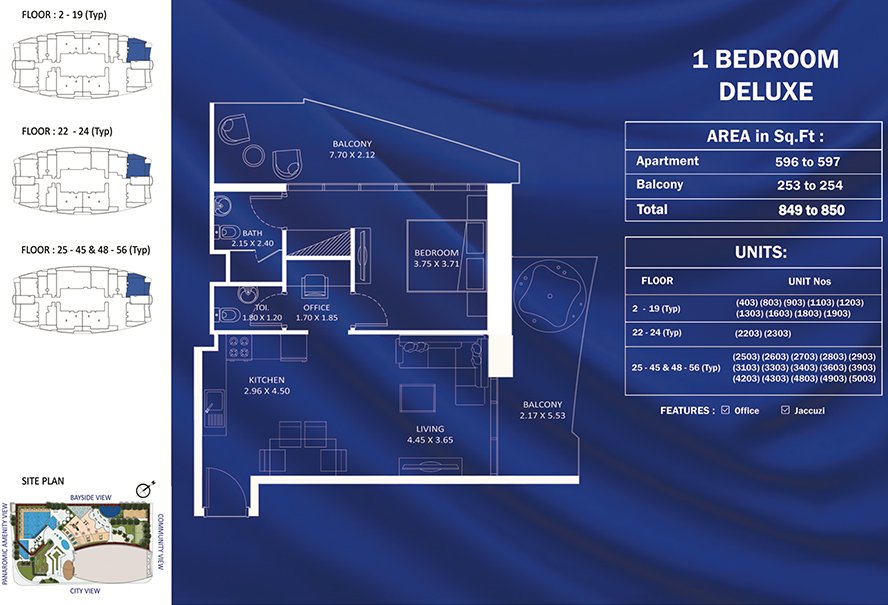
The developer publishes 788 homes here, with one-bedrooms from AED 1,416,000 and two-bedrooms from AED 1,791,000. Those are competitive figures for new stock, and the gap between the two formats is modest at under four hundred thousand dirhams. Sixteen floor plan sets have been released. Studios and larger apartments are not priced in the published material, so if you want either, the figure comes from the developer's written schedule. As always the published numbers are entry prices for the lowest qualifying units rather than a guide to what any particular apartment costs.
Jumeirah Village Triangle is the quieter neighbour of Jumeirah Village Circle, and the difference between the two districts is more pronounced than the shared name suggests. JVT is lower density, more residential in character, with a higher proportion of families and villas and correspondingly less of the churn that comes with a large investor-owned apartment stock. It is less well supplied with retail and it has no metro station of its own. For a household that wants a settled area rather than a busy one, that trade is often worth making.
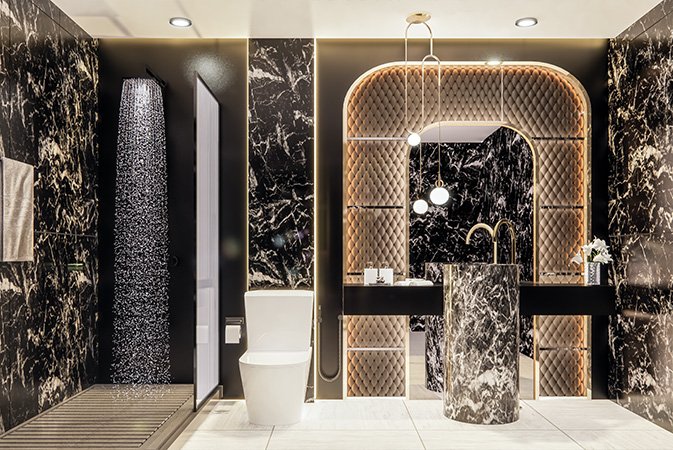
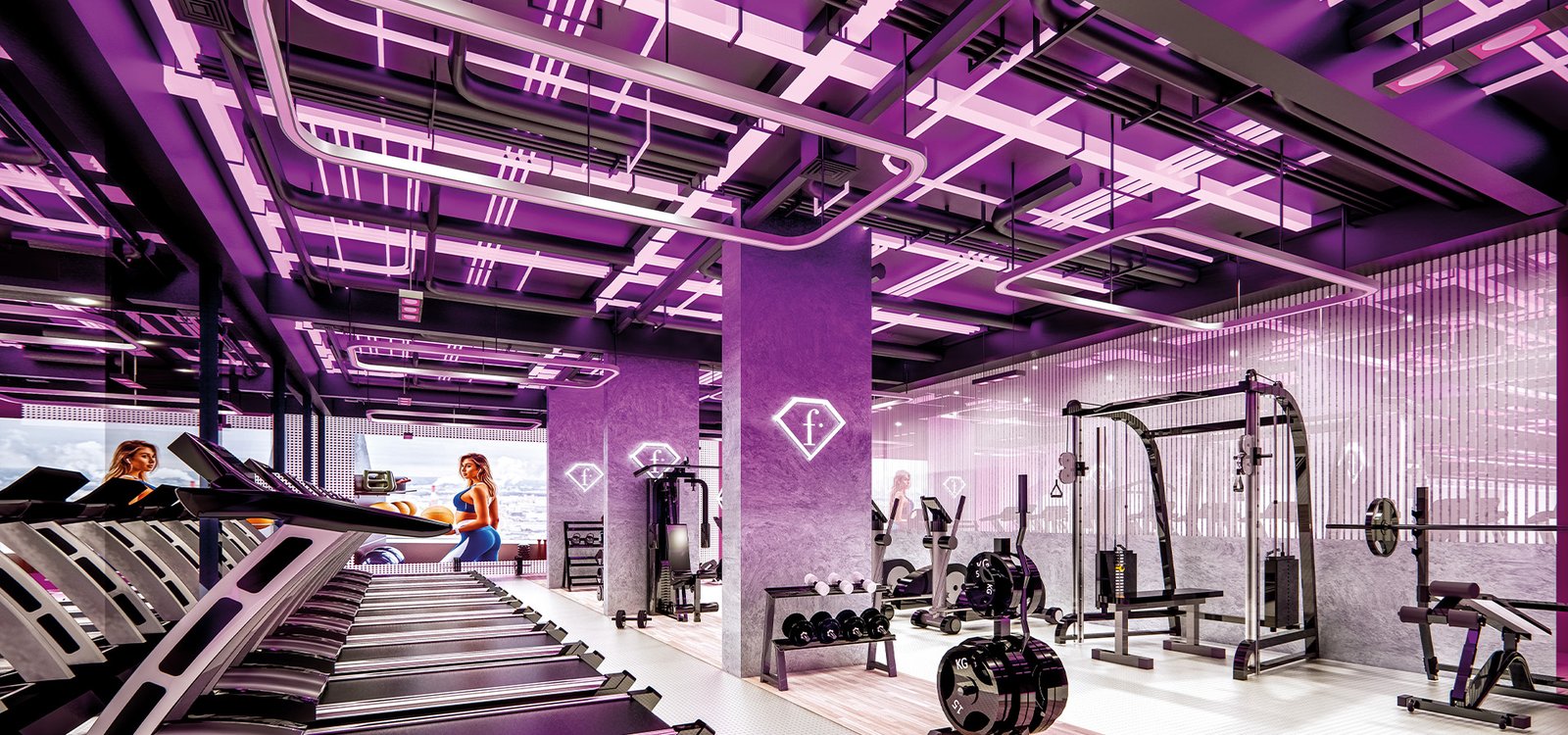
The tower is sold on a 1% monthly instalment plan against a handover stated for July 2027, which places it in the middle of the current release on timing. The amenity list is themed around styling and wellness, which is a marketing decision rather than a construction one, and we would treat it accordingly. What matters practically is what is actually built and how it is run afterwards. Ask the developer which facilities are contractually committed and what the estimated service charge is, because those two answers tell you considerably more.